
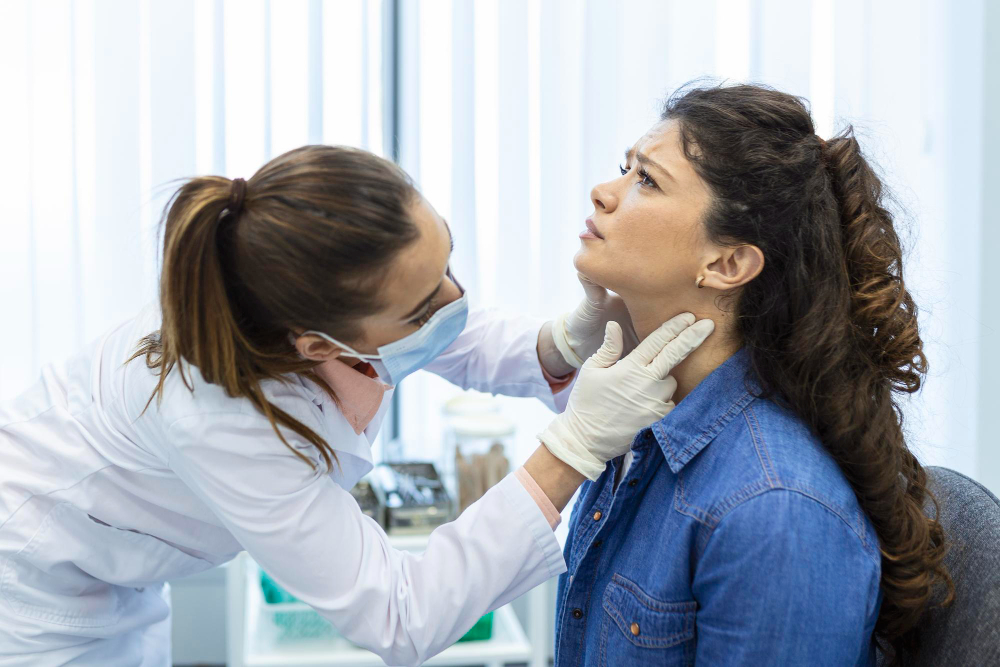
What Are Thyroid Nodules?
Thyroid nodules are lumps that form in your thyroid gland. This gland sits at the front of your neck. Many people have thyroid nodules, but most are harmless. However, some nodules can cause problems. For this reason, it is important to know what to look for. According to the World Health Organization, thyroid nodules are common, especially in areas with low iodine in the diet.
Common Symptoms of Thyroid Nodules
Often, thyroid nodules do not cause any symptoms. Still, some people may notice changes. For example, you might feel a lump in your neck. Other symptoms can include:
Because these symptoms can be mild, many people do not notice them right away. However, if you do notice any of these signs, it is wise to talk to your doctor.
Causes and Risk Factors
There are several reasons why thyroid nodules may form. Some common causes include:
In addition, women and older adults are more likely to develop thyroid nodules. Smoking and exposure to radiation can also increase your risk.
How Thyroid Nodules Are Diagnosed
Doctors use several methods to diagnose thyroid nodules. First, your doctor will ask about your symptoms and do a neck exam. Next, they may order tests such as:
Because most thyroid nodules are benign, these tests help decide if more treatment is needed. The CDC recommends regular check-ups if you have a history of thyroid problems.
When Should You Be Concerned?
Most thyroid nodules are not cancer. However, it is important to know when to worry about thyroid nodules. You should see your doctor if you notice:
Additionally, if your doctor finds a nodule during a check-up, they may suggest more tests. Early diagnosis helps rule out malignant thyroid nodules and start treatment if needed.
Treatment Options for Thyroid Nodules
Treatment depends on the type and size of the nodule. For benign thyroid nodules, your doctor may suggest regular monitoring. However, if the nodule is large or causes symptoms, treatment options include:
For malignant thyroid nodules, surgery is often needed. Your doctor will discuss the best plan for you. According to medical journals, most thyroid nodules do not require surgery.
Prevention and Lifestyle Tips
While you cannot always prevent thyroid nodules, some steps may help. For example, you can:
Because early detection is key, staying aware of changes in your neck can help. In some regions, adding iodine to salt has lowered the risk of thyroid nodules.
Conclusion
To sum up, thyroid nodules are common and usually harmless. However, you should pay attention to any new symptoms or changes. Consult an endocrinologist at Maha sakthi narayani hospital if you notice any symptoms or have concerns about thyroid nodules.