What is Continuous Glucose Monitoring (CGM)?
Continuous glucose monitoring, or CGM, is a new way to track blood sugar. Unlike finger-prick tests, CGM checks your glucose levels all day and night. Because it gives real-time updates, you can see changes as they happen. This technology is changing how people manage diabetes. According to the CDC, CGM helps many people with diabetes keep their blood sugar in a healthy range.
How Does CGM Work?
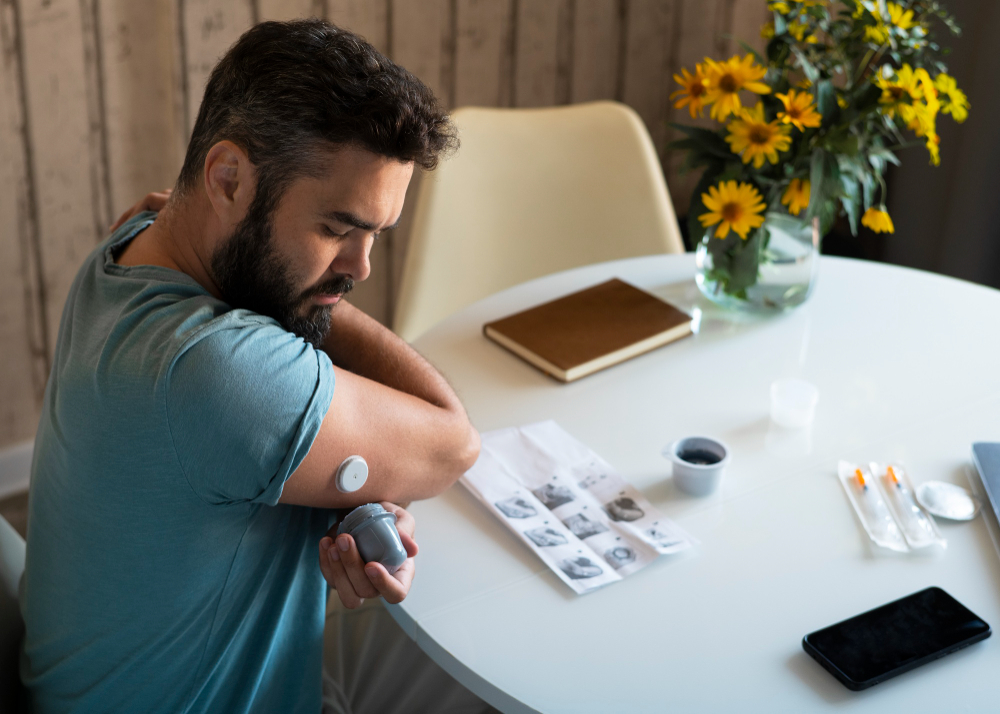
CGM devices use a tiny sensor placed under the skin. This sensor measures glucose in the fluid between your cells. Every few minutes, the device sends readings to a small monitor or your smartphone. As a result, you can see your glucose levels without pricking your finger. Some CGM systems even alert you if your blood sugar gets too high or too low.
Benefits of CGM for Diabetes Management
There are many reasons why CGM is helpful for people with diabetes. For example, it offers:
Because of these benefits, many doctors now recommend CGM for both type 1 and type 2 diabetes. The American Diabetes Association notes that CGM can help improve daily life and long-term health.
Who Should Consider CGM?
Not everyone with diabetes needs CGM, but many can benefit. For instance, you may want to try CGM if you:
However, it is best to talk with your doctor before starting CGM. They can help decide if it is right for you.
How to Use CGM Devices
Using a CGM device is simple. First, you place the sensor on your belly or arm. Next, you connect the sensor to a monitor or app. After that, you can check your glucose levels anytime. Some tips for using CGM include:
With practice, using CGM becomes part of your daily routine.
Potential Challenges and Limitations
Although CGM offers many benefits, there are some challenges. For example, sensors can sometimes fall off or cause skin irritation. Also, CGM readings may not always match finger-prick tests. In addition, some people find the devices costly. However, insurance may cover part of the cost. It is important to know that CGM does not replace all finger-prick tests. You may still need to check your blood sugar with a meter at times.
Future Trends in CGM Technology
CGM technology is always improving. Soon, devices may become even smaller and easier to use. For instance, some new CGM systems do not need finger-prick checks at all. Others can connect directly to insulin pumps for better control. Because of these advances, the future of diabetes care looks brighter. The World Health Organization highlights that new tools like CGM can help more people live healthier lives.
Conclusion and Next Steps
Continuous glucose monitoring (CGM) is transforming diabetes care, offering real-time tracking, better control, and more freedom. While some challenges exist, the benefits are clear. If you have diabetes, consult Srinivas Dn at Maha Sakthi Narayani Hospital to see if CGM is right for you.