
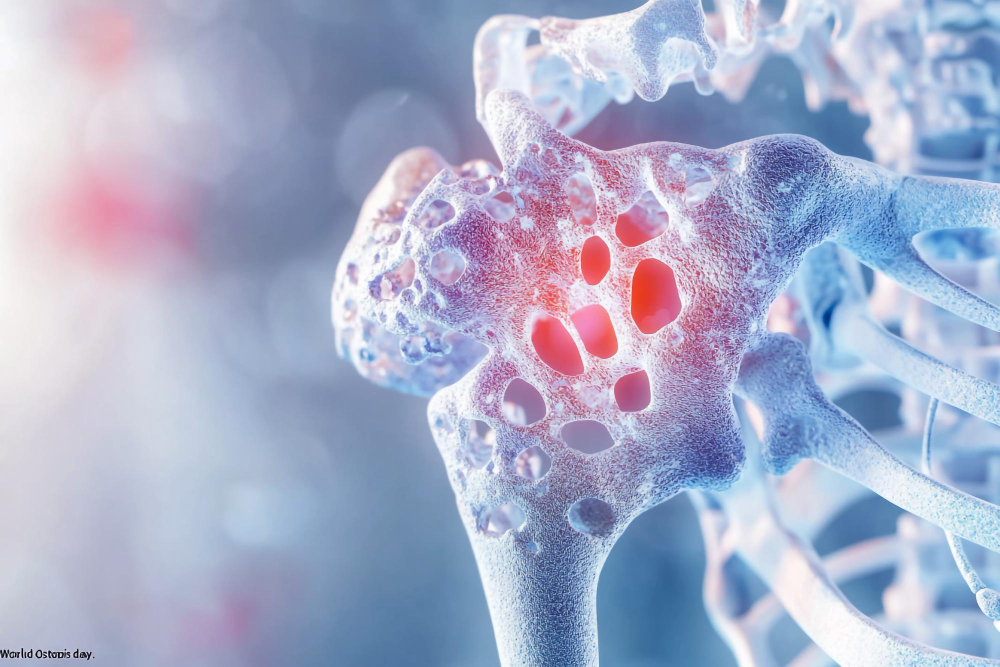
What is Osteoporosis?
Osteoporosis is a condition where bones become weak and fragile. As a result, they break more easily. Many people do not notice symptoms until a bone breaks. However, osteoporosis in post-menopausal women is common. After menopause, bone loss can happen faster. Because of this, it is important to know how to keep bones strong.
Why Post-Menopausal Women Are at Risk
After menopause, women produce less estrogen. Estrogen is a hormone that helps keep bones healthy. Without enough estrogen, bones lose strength. Therefore, post-menopausal women have a higher risk of osteoporosis. In fact, the risk of bone fractures increases with age. For this reason, women should pay close attention to bone health after menopause.
Common Symptoms and Warning Signs
Osteoporosis is often called a “silent disease.” This is because there are usually no early signs. Still, some warning signs may appear, such as:
If you notice any of these symptoms, it is wise to talk to your doctor.
Causes and Risk Factors
Several factors can lead to osteoporosis in post-menopausal women. Some causes and risk factors include:
Because these risks add up, it is important to know your personal risk.
Diagnosis and Screening Methods
Early diagnosis helps prevent bone fractures. Doctors use several methods to check bone health. Most often, a bone density test (DEXA scan) is used. This test is quick and painless. It measures how strong your bones are. In addition, your doctor may ask about your medical history and lifestyle. Regular screening is key, especially for women over 65 or those with risk factors.
Effective Treatment Options
There are many ways to treat osteoporosis in post-menopausal women. Treatment may include:
Your doctor will help choose the best plan for you. Because each person is different, treatment may vary.
Lifestyle Tips for Stronger Bones
Simple changes can help keep your bones healthy. For example, you can:
With these bone health tips, you can lower your risk of fractures.
Prevention Strategies
Preventing osteoporosis after menopause is possible. Here are some steps you can take:
Because prevention is easier than treatment, start these habits early.
When to See a Doctor
If you have risk factors or notice symptoms, see your doctor soon. Early action can help prevent serious bone loss. In addition, talk to your doctor about screening if you are over 65 or have had a fracture. Your doctor can guide you on the best steps for your bone health.
For personalized advice on osteoporosis prevention and treatment, consult a healthcare specialist at Maha Sakthi Narayani Hospital.