
Ergonomics at Work: How OT Helps Prevent Repetitive Strain Injuries

Ergonomics at work is key to preventing repetitive strain injuries. Learn how occupational therapy (OT) helps keep you safe and healthy at your job.
Adrenal Fatigue: When Your Stress Hormones Stop Working for You

Learn about adrenal fatigue, its symptoms, causes, diagnosis, and treatment. Discover lifestyle tips for managing stress hormones and improving your health.
Shift Work & Your Health: What Night Shifts Do to Your Body

Learn how shift work and night shifts affect your health. Discover risks, symptoms, and tips to stay healthy while working night shifts.
Diabetic Neuropathy: Early Signs & How to Slow the Damage

Learn about diabetic neuropathy early signs, causes, and ways to slow nerve damage. Get tips for prevention and nerve pain management in diabetes.
High Blood Pressure: The ‘Silent Killer’ and Lifestyle Fixes

Learn about high blood pressure, its risks, symptoms, and lifestyle changes for better health. Discover tips for preventing high blood pressure today.
Osteoporosis: Strengthening Bone Health in Post-Menopausal Women
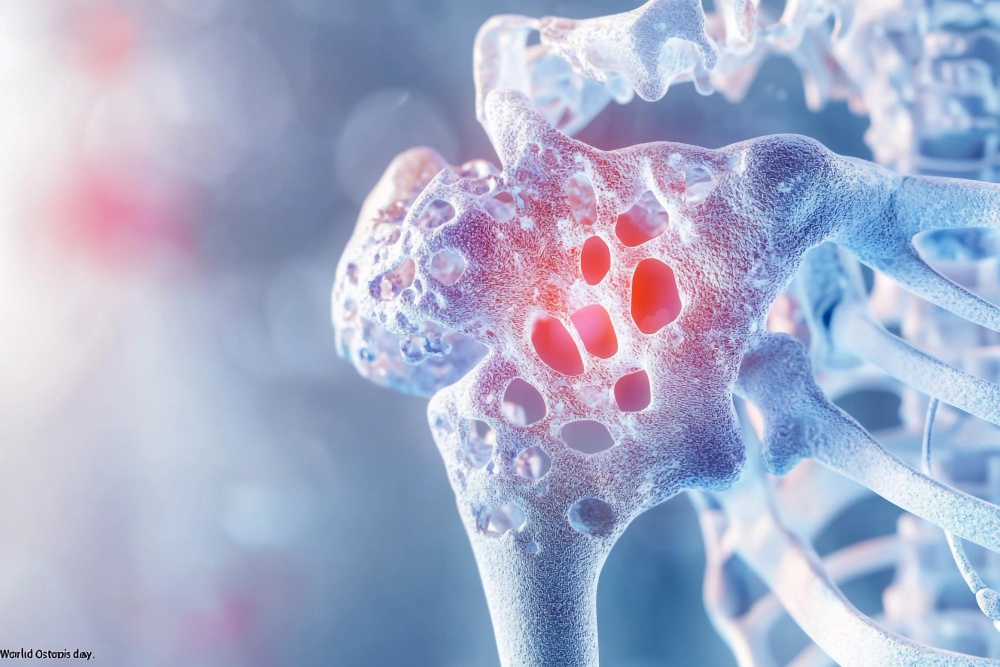
Learn about osteoporosis in post-menopausal women, symptoms, causes, prevention, and bone health tips for stronger bones after menopause.
Continuous Glucose Monitoring (CGM): The Future of Diabetes Care
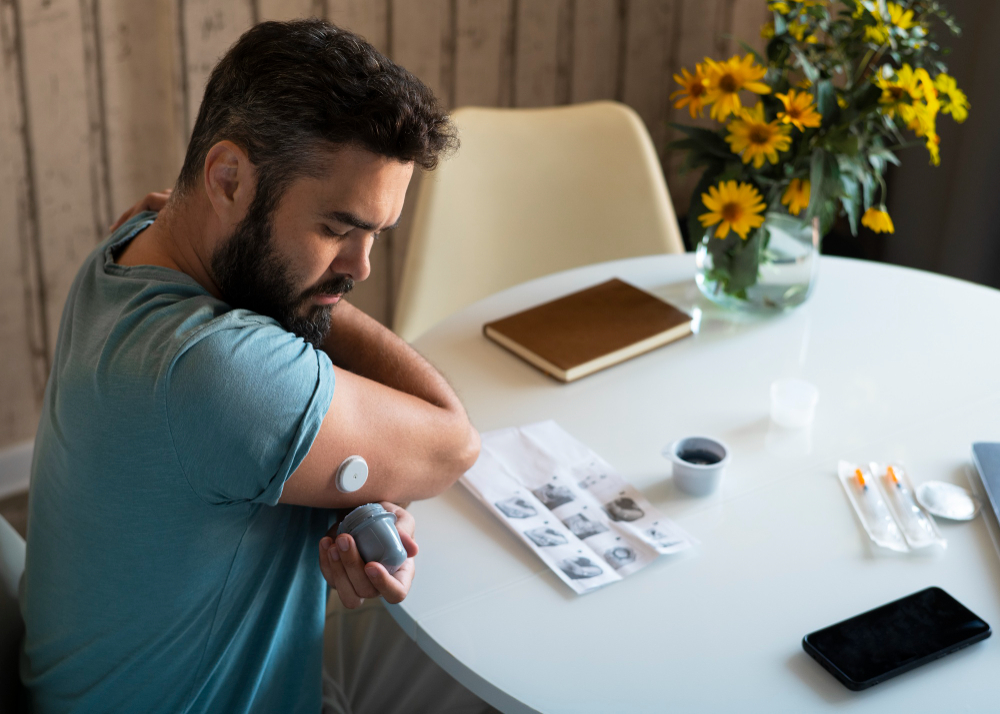
What is Continuous Glucose Monitoring (CGM)? Continuous glucose monitoring, or CGM, is a new way to track blood sugar. Unlike finger-prick tests, CGM checks you
Long Hours at a Desk Causing Chronic Back and Wrist Pain: Symptoms, Causes, Prevention, and Relief

Introduction Many people spend long hours at a desk each day. As a result, chronic back and wrist pain can become a common problem. Desk job back pain relief is
Vitamin D Deficiency: The “Silent” Endocrine Epidemic

What Is Vitamin D Deficiency? Vitamin D deficiency happens when your body does not have enough vitamin D. This vitamin is important for strong bones, healthy mu
Prediabetes: How to Reverse the Trend Before It’s Too Late

What Is Prediabetes? Prediabetes means your blood sugar is higher than normal, but not high enough for diabetes. Many people do not know they have prediabetes.